
Posts Tagged ‘property management in Memphis’
Navigating Rental Market: Guide to Property Management in Memphis with Foundation PM
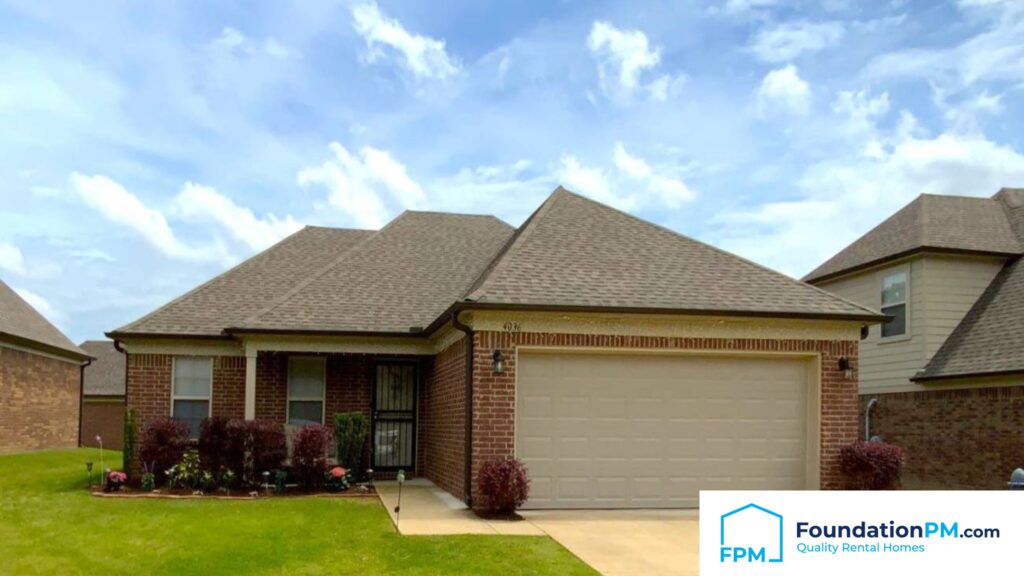
In the bustling rental market of Memphis, finding the right property management company can be the key to unlocking your investment’s full potential. Imagine having a dedicated team that not only manages your property efficiently but also treats it as their own home. Welcome to Foundation PM, where our property management services transform the rental…
Read MoreComplete Guide: Property Management in Memphis with Foundation PM
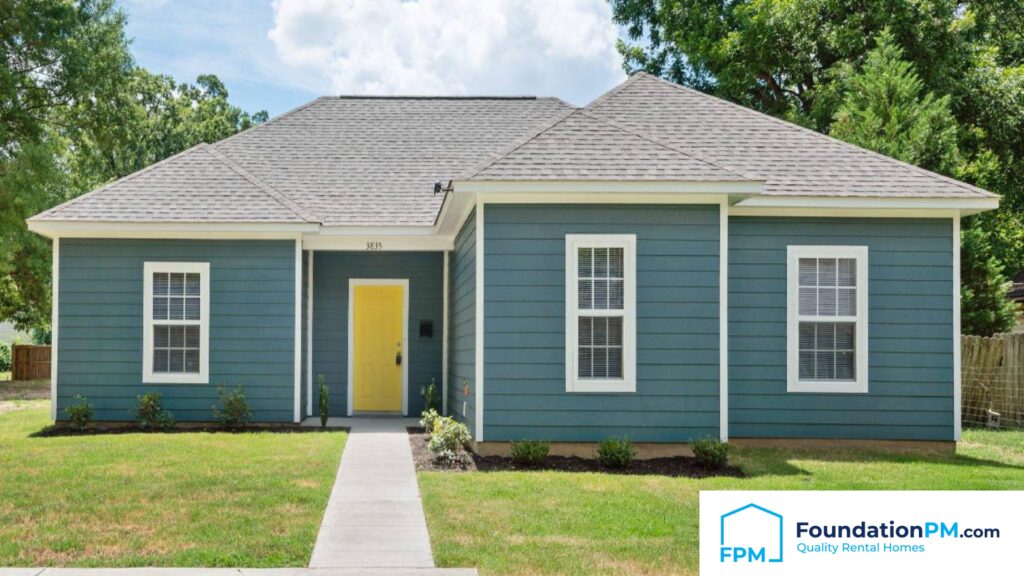
When it comes to property management in Memphis, Tennessee, there’s one name that stands out: Foundation PM. Whether you’re a seasoned investor or a first-time property owner, managing rental properties can be challenging. Imagine having a dedicated team that not only takes the burden off your shoulders but also treats your property as their own…
Read MoreExpert Insights: Why Foundation Property Management Leads in Memphis
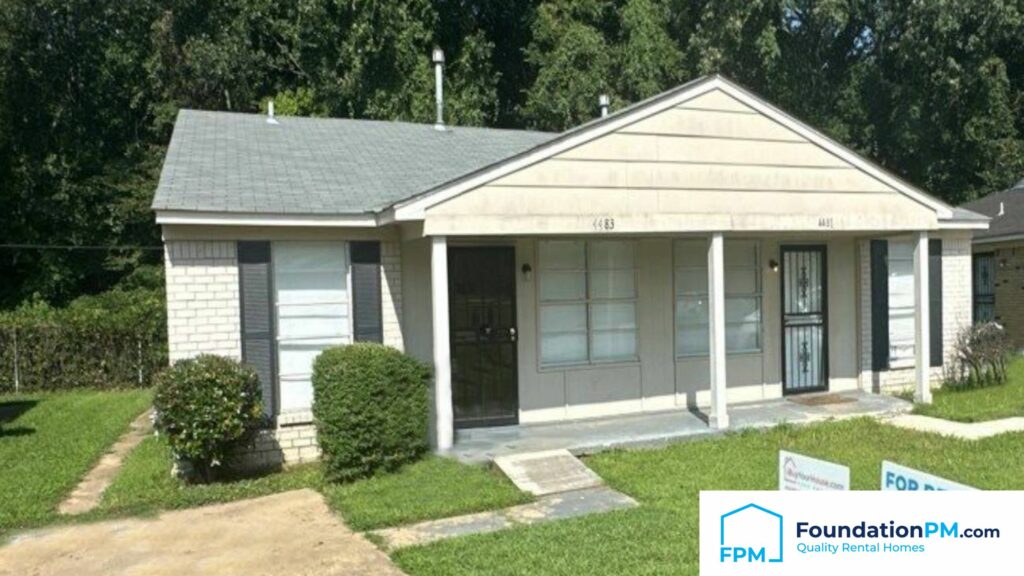
Are you a property owner in Memphis looking to maximize your rental income while minimizing the hassle of day-to-day management? Imagine having a dedicated team that treats your investment as their own, ensuring your property is well-maintained and your tenants are happy. Welcome to Foundation Property Management, the leading property management company in Memphis, Tennessee.…
Read MoreInvestor’s Guide: Property Management by Foundation PM in Memphis
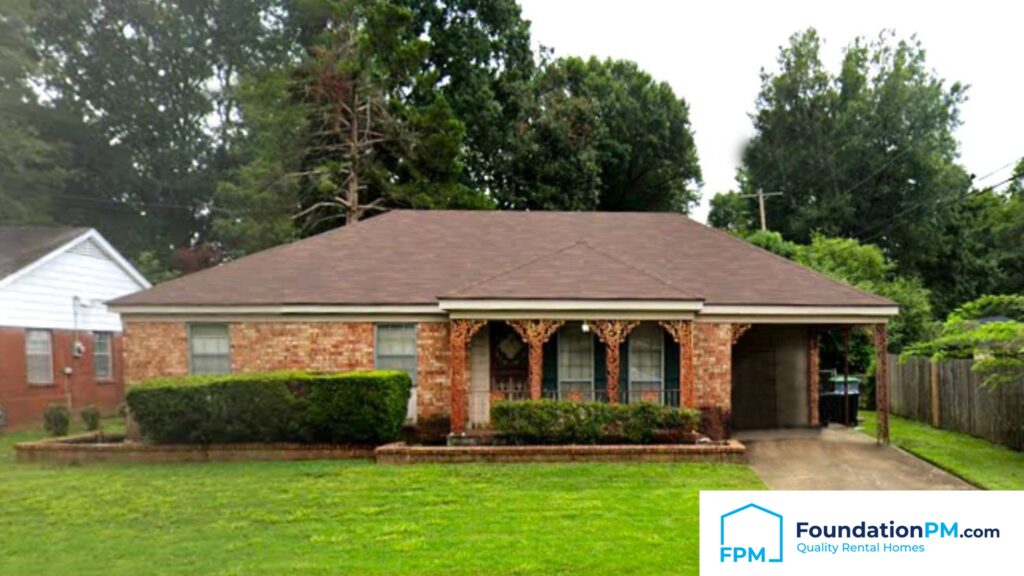
Are you ready to unlock the full potential of your real estate investments in Memphis? Imagine a seamless property management experience where every detail is taken care of by experts who treat your property as their own. Welcome to Foundation Property Management, where we turn property ownership into a profitable and stress-free venture. Why Property…
Read MoreDiscover Memphis’ Best Property Management: Foundation PM
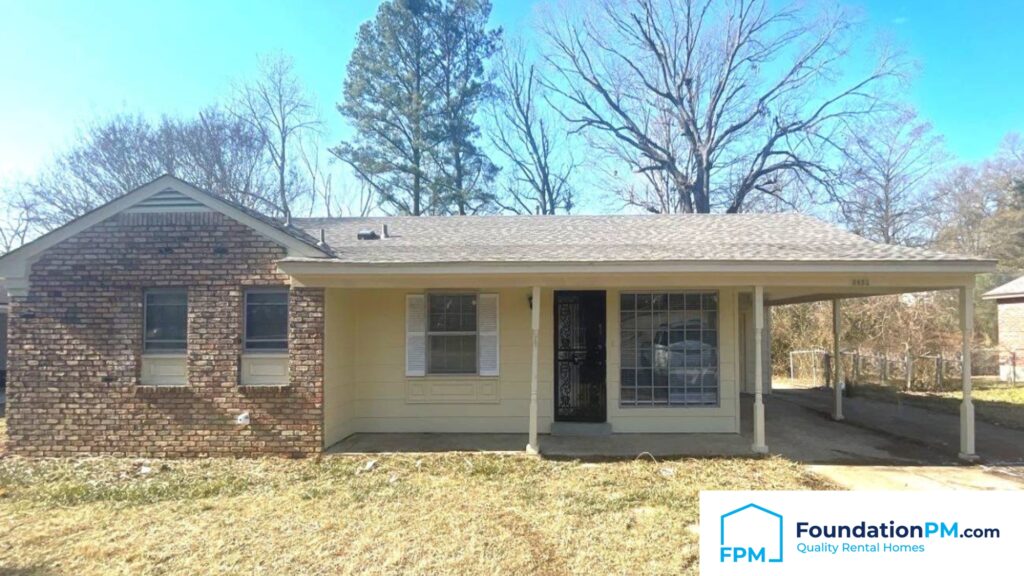
Imagine waking up every day knowing that your rental property is in the best hands possible. At Foundation Property Management, we make this dream a reality for property owners in Memphis, Tennessee. Whether you’re a seasoned investor or new to the rental market, our comprehensive property management services are designed to maximize your returns and…
Read More