
How Can Memphis Landlords Prepare Rentals for Cold Weather
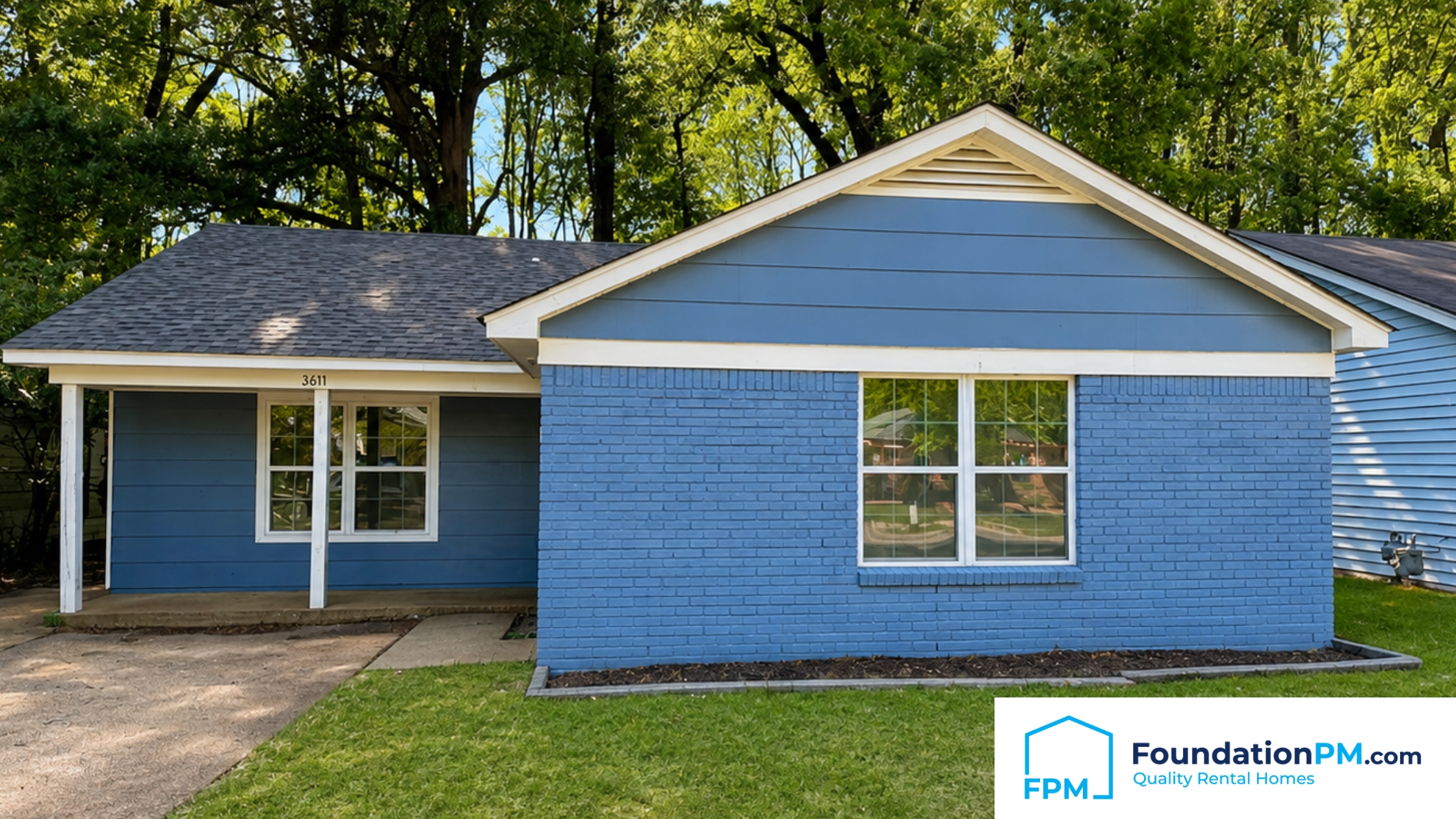
How Can Memphis Landlords Prepare Rentals for Cold Weather
Memphis landlords can prepare rentals for cold weather by servicing HVAC systems, cleaning gutters, protecting exposed pipes, checking weather stripping, reviewing the roof, inspecting exterior drainage, testing smoke and carbon monoxide alarms where applicable, and sending tenants clear winter reminders. A practical winter rental preparation plan helps reduce emergency repairs, protect the property, and keep tenants informed before temperatures drop.
Cold weather can create expensive problems for rental properties.
Even in Memphis, where winters may not feel as severe as colder regions, freezing temperatures, heavy rain, wind, and sudden weather changes can still affect rental homes. Pipes can freeze. Gutters can clog. Roof leaks can appear. Heating systems can fail. Drafty windows and doors can make tenants uncomfortable. Small maintenance issues that were easy to ignore in warmer months can become urgent once colder weather arrives.
For landlords, preparation matters.
A few practical maintenance steps before winter can reduce repair calls, prevent avoidable damage, and improve the tenant experience. The goal is not to make the property perfect. The goal is to make sure the home is safe, functional, weather-ready, and easier to manage during colder months.
Foundation Property Management helps Memphis rental owners stay ahead of seasonal maintenance through organized communication, maintenance coordination, inspections, and practical property care.
What should Memphis landlords do before cold weather arrives?
Memphis landlords should prepare rentals for cold weather by servicing HVAC systems, cleaning gutters, protecting pipes, checking roof and drainage areas, sealing drafts, testing safety devices, reviewing exterior lighting, and reminding tenants how to report winter maintenance concerns. These steps help reduce emergency repairs and protect rental property performance.
Why winter rental preparation matters
Winter maintenance is not only about tenant comfort.
It is also about protecting the property from damage. A clogged gutter can contribute to water problems. A small roof issue can become more noticeable during rain. A weak heating system can fail during the first cold stretch. An exposed pipe can freeze and burst. Poor weather stripping can increase tenant complaints and make the home harder to heat.
Cold weather preparation helps landlords:
| Benefit | Why It Matters |
|---|---|
| Reduce emergency repairs | Preventive work helps avoid urgent calls |
| Protect plumbing | Pipe problems can cause expensive water damage |
| Improve tenant comfort | A warm, functional home supports tenant satisfaction |
| Reduce owner stress | Fewer surprises during winter weather |
| Protect cash flow | Emergency repairs can disrupt monthly income |
| Improve renewal experience | Tenants notice when the property is maintained |
| Support property condition | Seasonal care helps preserve long-term value |
A rental property does not need to experience a major winter storm to be affected by cold weather. Sometimes one freezing night is enough to expose weak spots.
Winter rental preparation checklist
Before colder temperatures arrive, Memphis landlords should review the main systems and exterior areas that are most affected by winter weather.
| Maintenance Task | Why It Matters |
| HVAC servicing | Helps ensure the heating system works before tenants need it most |
| Gutter cleaning | Reduces drainage problems and water overflow |
| Pipe protection | Helps prevent freezing and water damage |
| Weather stripping | Reduces drafts and improves comfort |
| Roof inspection | Helps identify leaks or missing shingles before heavy rain |
| Exterior drainage review | Helps direct water away from the home |
| Smoke alarm checks | Supports tenant safety |
| Carbon monoxide alarm checks, if applicable | Important where fuel-burning systems are present |
| Exterior lighting review | Improves visibility during darker winter months |
| Tenant winter reminders | Helps tenants know what to report and how to prepare |
The best time to handle these items is before weather becomes urgent.
Service the HVAC system before the first cold stretch
Heating problems become more stressful once tenants already need heat.
An HVAC system that seemed fine in October may struggle when colder temperatures arrive. If the system has not been serviced, small issues may go unnoticed until tenants report that the heat is not working properly.
An HVAC check may include:
- Testing heat function
- Checking thermostat operation
- Reviewing filters
- Listening for unusual system sounds
- Checking visible wear or damage
- Confirming vents are not blocked
- Reviewing past repair history
- Scheduling service if performance is weak
Landlords should also know the age of the system and whether it has had repeated repairs. A heating issue in an older system may need more planning than a minor adjustment in a newer system.
For Memphis rental owners, HVAC maintenance matters year-round. The same system that works hard during summer may also be expected to perform during winter. Preventive service can help reduce emergency calls and tenant frustration.
FoundationPM.com helps rental owners coordinate maintenance requests and seasonal service needs through a more organized repair process.
Clean gutters and review drainage
Gutters are easy to overlook until water starts going where it should not.
Leaves, sticks, roof debris, and dirt can block water flow. When gutters are clogged, rainwater may overflow near the foundation, back up along rooflines, damage fascia, or create puddling near walkways.
Before colder weather and winter rain, landlords should review:
| Exterior Area | What to Check |
| Gutters | Debris, sagging sections, leaks, overflow areas |
| Downspouts | Whether water is directed away from the foundation |
| Roofline | Signs of water damage or loose materials |
| Yard drainage | Puddling near the home |
| Walkways | Areas that may become slippery or unsafe |
| Exterior drains | Blockage or debris |
Gutter cleaning is not a glamorous maintenance task, but it can prevent larger problems.
If the property has mature trees, gutter maintenance may be needed more often. Owners should also consider whether tree branches are too close to the roof or gutters.
Protect exposed pipes
Pipe protection is one of the most important cold weather tasks for rental properties.
Freezing temperatures can cause pipes to freeze, crack, or burst. Water damage from a burst pipe can be expensive and disruptive for both the owner and tenant.
Landlords should identify vulnerable plumbing areas, including:
- Exterior hose bibs
- Crawl spaces
- Garages
- Unheated utility areas
- Pipes near exterior walls
- Vacant properties with utilities on
- Older plumbing systems
- Poorly insulated areas
Pipe preparation may include:
| Pipe Protection Task | Why It Helps |
| Insulating exposed pipes | Reduces freeze risk |
| Covering exterior spigots | Helps protect outdoor connections |
| Checking crawl space openings | Helps reduce cold air exposure |
| Reviewing vacant homes | Empty properties may need extra attention |
| Sending tenant reminders | Helps tenants know what to do during freezing weather |
| Confirming heat is working | Helps protect interior plumbing |
If the property is vacant, cold weather preparation becomes even more important. Vacant homes may not have tenants inside to notice early signs of trouble. Owners should make sure utilities, heat, and property checks are handled appropriately.
Check weather stripping and drafts
Drafty windows and doors can create tenant complaints during colder weather.
Weather stripping helps seal gaps around doors and windows. When it is worn, missing, or damaged, cold air can enter the home and make the heating system work harder.
Landlords should check:
- Exterior doors
- Door sweeps
- Window seals
- Attic access points
- Gaps around utility penetrations
- Cracked caulking
- Loose trim near doors or windows
Small improvements can make the home feel better without major renovation.
Examples include:
| Small Improvement | Tenant Benefit |
| Replacing worn weather stripping | Reduces drafts |
| Adding or repairing door sweeps | Improves comfort near entries |
| Sealing small exterior gaps | Helps reduce cold air and pests |
| Re-caulking around windows | Helps reduce air and moisture intrusion |
| Repairing loose door hardware | Improves daily use and security |
These are not luxury upgrades. They are practical maintenance items that tenants notice.
Inspect the roof before winter rain
Roof issues often show up during heavy rain.
A small missing shingle, cracked flashing, clogged valley, or weak seal may not seem urgent during dry weather. But once rain arrives, tenants may report water stains, ceiling spots, or active leaks.
Before cold and wet weather, landlords should review:
| Roof Area | What to Look For |
| Shingles | Missing, curled, or damaged areas |
| Flashing | Gaps around chimneys, vents, and roof transitions |
| Gutters | Blockages that affect roof drainage |
| Interior ceilings | Water stains or soft spots |
| Attic areas, if accessible | Signs of moisture or daylight |
| Tree branches | Branches touching or hanging over the roof |
Roof inspections should be handled safely. Owners should not climb on roofs without proper experience or equipment. A qualified vendor may be needed if concerns are visible.
Catching roof concerns early can help prevent interior damage during winter rain.
Review exterior lighting and safety items
Winter months bring shorter days.
Exterior lighting becomes more important when tenants come and go after dark. Good lighting can improve visibility near porches, driveways, walkways, and entry doors.
Landlords should check:
- Porch lights
- Motion lights
- Driveway lighting
- Back door lighting
- Stair or walkway lighting
- Bulbs and fixtures
- Broken covers or exposed wiring
Safety items should also be reviewed.
Depending on the property, this may include:
| Safety Item | Why It Matters |
| Smoke alarms | Basic safety requirement and tenant protection |
| Carbon monoxide alarms, if applicable | Important for homes with fuel-burning systems |
| Handrails | Helps reduce fall risk |
| Steps and walkways | Winter rain can make surfaces slippery |
| Door locks | Security should be reliable |
| Exterior lights | Improves visibility and tenant confidence |
A rental property should feel safe and functional year-round, but winter is a good time to check these basics.
Send tenant winter reminders
Tenant communication is an important part of winter preparation.
Tenants live in the property every day. They are often the first to notice heating problems, leaks, drafts, clogged drains, or exterior concerns. A simple winter reminder can help tenants understand what to report and how to prevent avoidable issues.
Tenant winter reminders may include:
- How to report heating problems
- How to submit maintenance requests
- What counts as emergency maintenance
- Reminder to keep heat on during freezing weather
- Reminder to report leaks or water stains quickly
- Reminder to disconnect hoses, if applicable
- Instructions for exterior spigot covers, if tenant responsibility applies
- Reminder not to block vents
- Reminder to keep access clear for vendors
- Holiday travel reminders if leaving the property for several days
Good communication helps prevent small problems from becoming expensive repairs.
For example, if a tenant leaves town during a freeze and turns the heat off completely, pipes may be at greater risk. Clear reminders can reduce that risk.
Clarify tenant and landlord responsibilities
Some winter tasks are landlord responsibilities. Others may be assigned to tenants through the lease.
The lease should explain maintenance expectations clearly. If tenants are responsible for replacing HVAC filters, reporting leaks, maintaining utilities, or caring for the yard, those responsibilities should be communicated before cold weather arrives.
Examples include:
| Responsibility | Why It Should Be Clear |
| Reporting maintenance concerns | Tenants should know how and when to report issues |
| Keeping utilities active | Helps protect systems and plumbing |
| HVAC filter replacement | Helps heating system performance |
| Yard and leaf cleanup | May affect drainage and exterior condition |
| Disconnecting hoses | Helps protect exterior spigots |
| Allowing vendor access | Needed for seasonal service or repairs |
Clear expectations reduce confusion.
Foundation Property Management helps Memphis landlords communicate maintenance expectations and coordinate tenant reminders as part of a more organized management process.
Prepare vacant rentals differently
Vacant properties need special attention before cold weather.
When no tenant is living in the home, nobody may notice a leak, heating issue, broken window, or exterior problem right away. Vacant homes can also be more vulnerable to security concerns and weather-related damage.
For vacant properties, landlords should review:
- Is heat on at a safe setting?
- Are utilities active if needed?
- Are pipes protected?
- Are exterior doors and windows secure?
- Are gutters clean?
- Is the yard maintained?
- Are there signs of leaks or moisture?
- Are smoke alarms present and functional?
- Are locks working properly?
- Is the property checked periodically?
A vacant property should not be ignored just because no tenant is there. In many ways, vacant rentals need more oversight during cold weather.
Do not wait for the first freeze
Winter preparation should begin before the first freeze warning.
Once cold weather is already here, vendors may be busier, tenants may be calling with urgent issues, and small repairs may become harder to schedule quickly. Planning ahead gives owners more options and can reduce emergency costs.
A good timeline may include:
| Timing | Task |
| Early fall | Review HVAC service needs and exterior condition |
| Before heavy leaf drop | Plan gutter cleaning if needed |
| Before freezing temperatures | Protect pipes and send tenant reminders |
| Before winter rain | Review roof, drainage, and exterior issues |
| During winter | Respond quickly to leaks, heating problems, and tenant reports |
Seasonal preparation is easier when it is part of the property’s routine maintenance plan.
How Foundation Property Management helps with winter preparation
Foundation Property Management helps Memphis rental owners stay organized before colder weather arrives.
That may include coordinating maintenance requests, supporting seasonal reminders, reviewing repair needs, communicating with tenants, coordinating vendors, documenting completed work, and helping owners understand which items need attention.
FoundationPM.com helps owners reduce winter maintenance stress by creating a clearer process for property care.
For out-of-state owners or landlords with multiple rentals, this support can be especially valuable. Cold weather issues can happen quickly, and local coordination helps reduce delays.
Frequently Asked Questions
When should Memphis landlords start winter rental preparation?
Landlords should begin preparing before colder weather arrives, ideally during fall. HVAC service, gutter cleaning, pipe protection, roof checks, and tenant reminders are easier to complete before urgent winter repair calls begin.
What is the most important winter maintenance task?
HVAC service and pipe protection are two of the most important tasks because heating problems and frozen pipes can quickly create tenant frustration, emergency repair costs, and property damage.
Should tenants receive winter reminders?
Yes. Tenant reminders help renters know how to report heating issues, leaks, water stains, frozen pipe concerns, and other winter maintenance problems. Clear communication can reduce delays and prevent avoidable damage.
Do vacant rentals need winter preparation?
Yes. Vacant rentals need winter preparation because no tenant is inside to report early problems. Owners should confirm heat settings, utilities, pipe protection, locks, gutters, roof condition, and periodic property checks.
Who is responsible for winter maintenance?
Responsibilities depend on the lease and management agreement. Landlords typically handle major systems and property repairs, while tenants may be responsible for reporting issues, maintaining utilities, replacing filters, or other lease-defined tasks.
What Memphis Landlords Should Do Next
Cold weather preparation is easier when it happens before the first urgent repair call.
Start with the basics: service the HVAC system, clean gutters, protect exposed pipes, check weather stripping, review roof and drainage areas, test safety devices, check exterior lighting, and send tenants clear winter reminders.
These steps can help reduce emergency repairs, protect the home, and keep tenants more comfortable during colder months.
Foundation Property Management helps Memphis rental owners manage seasonal maintenance, tenant communication, repair coordination, inspections, and owner updates with practical local support.
Ready to work with a Memphis property management company that treats your property like home? Call Foundation Property Management at 901-633-1484 or visit FoundationPM.com.