
What Should Property Owners Know About Vendor Coordination?
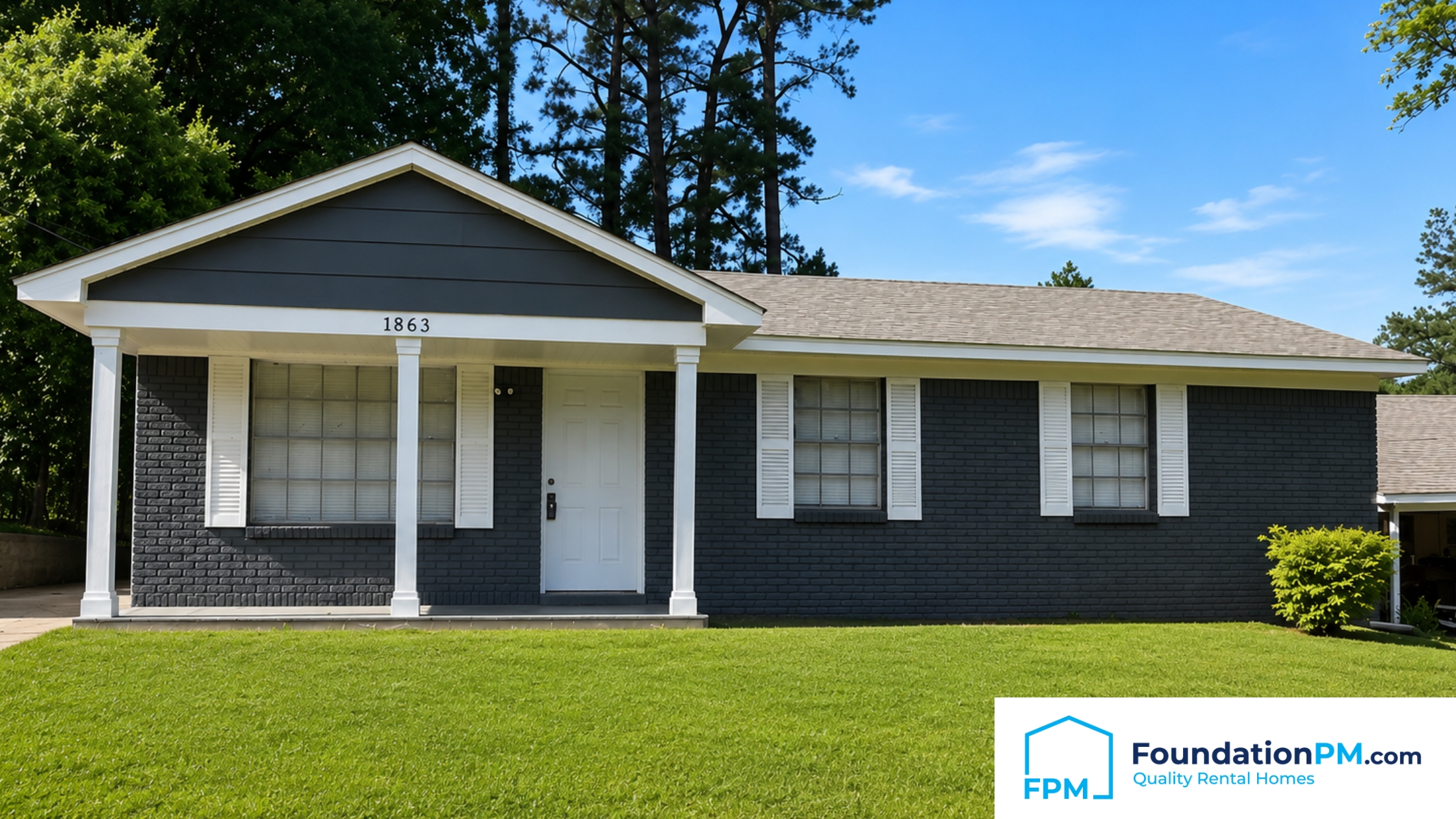
What Should Property Owners Know About Vendor Coordination
Vendor coordination helps Memphis rental property owners manage repairs more efficiently by connecting maintenance requests with qualified vendors, scheduling access, communicating updates, documenting completed work, and tracking repair history. Reliable vendor coordination can improve response times, reduce confusion, support tenant satisfaction, and help owners avoid unnecessary maintenance delays.
Repairs are part of rental ownership.
Every property eventually needs plumbing work, HVAC service, electrical repairs, appliance repairs, cleaning, lawn care, roof work, lock changes, or turnover maintenance. The repair itself is only one part of the process. Someone also has to receive the request, understand the problem, choose the right vendor, schedule access, communicate with the tenant, review the invoice, and confirm the work was completed.
That is vendor coordination.
For Memphis landlords, reliable vendor coordination can make a major difference in how stressful rental ownership feels. A small repair may become frustrating when no one answers, the wrong vendor is sent, the tenant does not know when to expect service, or the owner receives an invoice without context.
Foundation Property Management helps Memphis rental owners manage vendor coordination with a more organized process for maintenance requests, tenant communication, repair scheduling, and owner updates.
Why does vendor coordination matter for rental properties?
Vendor coordination matters because rental repairs require more than hiring someone to fix an issue. A property manager must review the maintenance request, determine urgency, contact the right vendor, coordinate tenant access, communicate updates, document the work, and help the owner understand repair costs and next steps.
Vendor coordination is more than calling a contractor
Some owners think vendor coordination simply means calling a repair company.
In reality, it includes several steps.
A maintenance request may start with a tenant saying, “The sink is leaking.” From there, someone needs to determine where the leak is, whether water is actively flowing, whether the tenant can send photos, whether the issue is urgent, which vendor is appropriate, when the vendor can access the property, and whether owner approval is required.
A complete vendor coordination process may include:
| Vendor Coordination Area | Why It Matters |
|---|---|
| Receiving maintenance requests | Keeps repair issues from getting lost |
| Reviewing urgency | Helps separate emergencies from routine repairs |
| Choosing the right vendor | Reduces wasted service calls |
| Scheduling access | Helps vendors and tenants connect |
| Communicating updates | Keeps tenants and owners informed |
| Reviewing invoices | Helps owners understand repair costs |
| Documenting work | Creates a record for future reference |
| Tracking repeat issues | Helps identify deeper maintenance problems |
Without coordination, repairs can become scattered and reactive.
Choosing qualified vendors
Vendor quality affects repair quality.
The cheapest vendor is not always the best option. A low-cost repair can become expensive if the work is incomplete, delayed, poorly documented, or needs to be repeated. At the same time, owners do not want maintenance costs to rise because every issue is overbuilt or handled without review.
A good vendor process balances cost, quality, availability, and reliability.
When choosing vendors, property managers may consider:
- Experience with rental properties
- Responsiveness
- Availability for urgent issues
- Proper licensing when required
- Insurance requirements
- Work quality
- Communication habits
- Invoice clarity
- Pricing consistency
- Ability to coordinate with tenants
- History of completing work properly
For rental properties, vendors need to do more than complete repairs. They also need to communicate well, respect tenant-occupied homes, provide useful documentation, and follow scheduling instructions.
FoundationPM.com helps Memphis owners reduce the stress of finding and coordinating vendors on their own.
Matching the right vendor to the right repair
Not every maintenance issue requires the same type of vendor.
Sending the wrong vendor can waste time and increase costs. For example, a general handyman may be able to repair cabinet hardware, but an electrical hazard should be reviewed by a qualified electrical professional. An appliance repair technician may be appropriate for a refrigerator issue, but a larger HVAC concern may require an HVAC vendor.
Common vendor categories include:
| Repair Need | Common Vendor Type |
| HVAC not working | HVAC technician |
| Drain or leak issue | Plumber |
| Electrical hazard | Electrician |
| Broken appliance | Appliance repair vendor |
| Lock or key issue | Locksmith |
| Roof leak | Roofing vendor |
| Turnover cleaning | Cleaning vendor |
| Lawn overgrowth | Lawn care vendor |
| Small interior repairs | Handyman or general maintenance vendor |
| Pest concerns | Pest control vendor |
The goal is to avoid unnecessary delays by sending the right person the first time.
Scheduling repairs with tenants
Scheduling is one of the most time-consuming parts of maintenance.
A vendor may be available, but the tenant may not be home. The tenant may need notice. The vendor may need access instructions. The issue may require multiple visits. The owner may need to approve the repair before work begins.
Without a clear process, scheduling can quickly become frustrating.
Repair scheduling may involve:
- Confirming tenant availability
- Providing access instructions
- Coordinating vendor arrival windows
- Sending appointment updates
- Handling reschedules
- Confirming whether the tenant needs to be present
- Communicating delays
- Following up after the appointment
For tenant-occupied rentals, communication matters. Tenants want to know whether their repair request has been received, when someone is coming, and what to expect.
Poor scheduling can make tenants feel ignored, even when the owner is trying to get the repair handled.
Communication keeps repairs from becoming tenant complaints
Tenant satisfaction often depends on communication as much as repair speed.
Some repairs cannot be completed immediately. A part may need to be ordered. A vendor may need a second visit. Weather may delay exterior work. Owner approval may be needed for a larger expense.
When tenants are not updated, frustration grows.
A good repair communication process may include:
| Communication Step | Purpose |
| Acknowledge the request | Lets the tenant know the issue was received |
| Ask for details or photos | Helps determine urgency and vendor type |
| Share scheduling updates | Reduces uncertainty |
| Explain delays when needed | Helps prevent repeated follow-ups |
| Confirm completion | Ensures the issue was addressed |
| Document concerns | Creates a record for the owner and manager |
Clear communication does not mean overpromising. It means tenants understand the process.
Foundation Property Management helps Memphis rental owners keep repair communication more organized so tenants are not left guessing.
Emergency availability matters
Not every repair is an emergency.
But when a true emergency happens, vendor availability matters.
Emergency repairs are issues that may affect safety, security, habitability, or immediate property protection. These situations may require faster response than routine maintenance.
Examples may include:
- Active water leaks
- Major plumbing backups
- Electrical hazards
- Broken exterior locks
- Fire or smoke concerns
- Broken windows affecting security
- Major HVAC failure during unsafe weather conditions
- Roof leaks causing active interior damage
Emergency vendor coordination requires a different process because delays can create additional damage.
A property manager should know how urgent issues are handled, who can be contacted, what owner approval rules apply, and how tenants are updated during the process.
Routine repairs still need structure
Routine repairs should not be ignored just because they are not emergencies.
A dripping faucet, loose cabinet hardware, broken blind, minor appliance concern, damaged weather stripping, or small drywall issue may not require immediate action, but these items still affect tenant experience and property condition.
Routine repairs should be:
- Logged properly
- Reviewed for urgency
- Scheduled in a reasonable timeframe
- Assigned to the right vendor
- Communicated to the tenant
- Documented after completion
Small issues can become larger when ignored. A routine repair process helps keep the property from slipping into deferred maintenance.
Owner approval and repair thresholds
Vendor coordination should also include owner approval guidelines.
Most owners want to know when repairs will be completed automatically and when their approval is needed. This should be clear before maintenance requests begin.
An owner approval process may answer:
| Approval Question | Why It Matters |
| What repair amount requires owner approval? | Helps avoid surprise expenses |
| How are emergency repairs handled? | Protects the property from additional damage |
| Are estimates required for larger work? | Helps owners compare options |
| Can small repairs move forward quickly? | Reduces unnecessary delays |
| How are owners notified? | Keeps communication organized |
| How are invoices shared? | Supports financial transparency |
The exact approval process should follow the management agreement.
Some owners prefer to approve most repairs. Others allow routine work under a certain amount to move forward so tenants are not waiting on small fixes. A clear process helps balance owner control with practical maintenance response.
Can owners recommend vendors?
Owners may have preferred vendors they trust.
In some cases, those vendors may be used. But this depends on the management agreement, vendor requirements, availability, insurance standards, licensing needs, communication habits, and ability to work with tenant-occupied rental properties.
Before assuming a preferred vendor can be used, owners should ask:
- Does the vendor meet management company requirements?
- Is the vendor properly licensed when required?
- Does the vendor carry appropriate insurance?
- Can the vendor communicate clearly?
- Can the vendor work with tenants and scheduling windows?
- Does the vendor provide invoices and documentation?
- Is the vendor available for urgent work?
- Does the vendor complete work reliably?
A vendor may be good for an owner’s personal home but not the best fit for a tenant-occupied rental process.
The important thing is to discuss preferred vendors before repairs happen, not during an emergency.
Documentation protects the owner
Repair documentation is one of the most important parts of vendor coordination.
Owners should be able to understand what was reported, what vendor was sent, what work was completed, and what it cost. Documentation also helps track repeat issues and supports future decisions.
Good maintenance documentation may include:
| Documentation Item | Why It Matters |
| Tenant request | Shows when the issue was reported |
| Photos or notes | Helps explain the problem |
| Vendor assignment | Shows who handled the repair |
| Estimate, if applicable | Supports owner approval |
| Invoice | Shows completed work and cost |
| Completion notes | Confirms the issue was addressed |
| Follow-up communication | Helps track tenant satisfaction |
| Repair history | Helps identify recurring problems |
Without documentation, owners may not know whether a repair was a one-time issue or part of a larger pattern.
For example, three plumbing invoices in six months may suggest something deeper than routine maintenance.
What happens after repairs are completed?
Vendor coordination does not stop when the vendor leaves.
A strong process should include repair closeout. This helps ensure the work was completed, the tenant knows what happened, the invoice is recorded, and the owner has visibility.
After a repair, the process may include:
- Confirming the vendor completed the work
- Receiving the invoice
- Reviewing photos or notes when available
- Communicating completion to the tenant
- Recording the expense
- Noting repeat issues
- Updating the owner statement
- Planning follow-up if needed
This step matters because incomplete repairs can create repeated service calls. If the tenant says the issue still exists, the property manager may need to follow up with the vendor or review the problem again.
Vendor coordination affects tenant retention
Tenants remember how repairs are handled.
A tenant may not expect every repair to be completed immediately, but they expect reasonable communication and follow-through. When maintenance is handled poorly, tenants may become less likely to renew.
Vendor coordination can affect tenant retention through:
| Tenant Experience | Impact |
| Fast acknowledgment | Tenants feel heard |
| Clear scheduling | Tenants know what to expect |
| Qualified vendors | Repairs are more likely to be completed correctly |
| Follow-up | Tenants feel the issue was not ignored |
| Repeat issue tracking | Helps reduce ongoing frustration |
Reliable repair coordination is one of the simplest ways to improve tenant satisfaction without overspending on unnecessary upgrades.
Vendor coordination affects property performance
Maintenance quality affects long-term rental performance.
Poor repair coordination can lead to delayed work, repeat repairs, tenant complaints, property damage, and higher costs. Strong coordination helps owners protect the home, maintain tenant satisfaction, and make better financial decisions.
Vendor coordination supports:
- Faster repair response
- Better repair documentation
- Reduced tenant frustration
- More organized maintenance spending
- Better protection against deferred maintenance
- Clearer owner reporting
- Improved renewal experience
- Better long-term property condition
A rental property is easier to manage when repair systems are consistent.
How Foundation Property Management helps with vendor coordination
Foundation Property Management helps Memphis rental owners manage vendor coordination through organized maintenance communication, repair scheduling, tenant updates, owner approval processes, documentation, and repair follow-up.
FoundationPM.com helps owners reduce the time and stress involved in calling contractors, scheduling access, tracking invoices, and communicating with tenants about repairs.
For out-of-state owners or landlords with multiple Memphis rentals, vendor coordination is especially valuable. Distance makes it harder to verify repair needs, meet vendors, or check work in person. A local property management team helps organize the process and keep owners informed.
Frequently Asked Questions
Can owners recommend vendors?
Yes, owners can often recommend vendors, but whether those vendors are used depends on the management agreement, vendor requirements, availability, insurance standards, licensing needs, and whether the vendor can work within the property management process.
How are vendors selected?
Vendors are typically selected based on the type of repair, availability, reliability, communication, pricing, experience, documentation, and whether they meet any required licensing or insurance standards. The goal is to send the right vendor for the specific issue.
What happens after repairs are completed?
After repairs are completed, the property manager may confirm the work, collect the invoice, document the expense, update the tenant if needed, record the repair history, and include the charge or related information in owner reporting.
Why is vendor coordination important for rental properties?
Vendor coordination is important because repairs affect tenant satisfaction, property condition, owner expenses, and long-term rental performance. A clear process helps reduce delays, confusion, and repeat maintenance problems.
Do property managers always use the cheapest vendor?
Not always. The lowest price is not always the best value if the work is delayed, incomplete, or poorly documented. Property managers should consider cost, quality, reliability, availability, and the needs of the rental property.
What Memphis Property Owners Should Do Next
Reliable vendors are essential to successful rental property management.
But the vendor is only one part of the repair process. Owners also need clear maintenance requests, proper urgency review, tenant scheduling, owner approval rules, documentation, invoice tracking, and follow-up after repairs are completed.
Foundation Property Management helps Memphis rental owners coordinate vendors, communicate with tenants, document repairs, track maintenance issues, and keep rental properties operating more smoothly.
Ready to work with a Memphis property management company that treats your property like home? Call Foundation Property Management at 901-633-1484 or visit FoundationPM.com.